
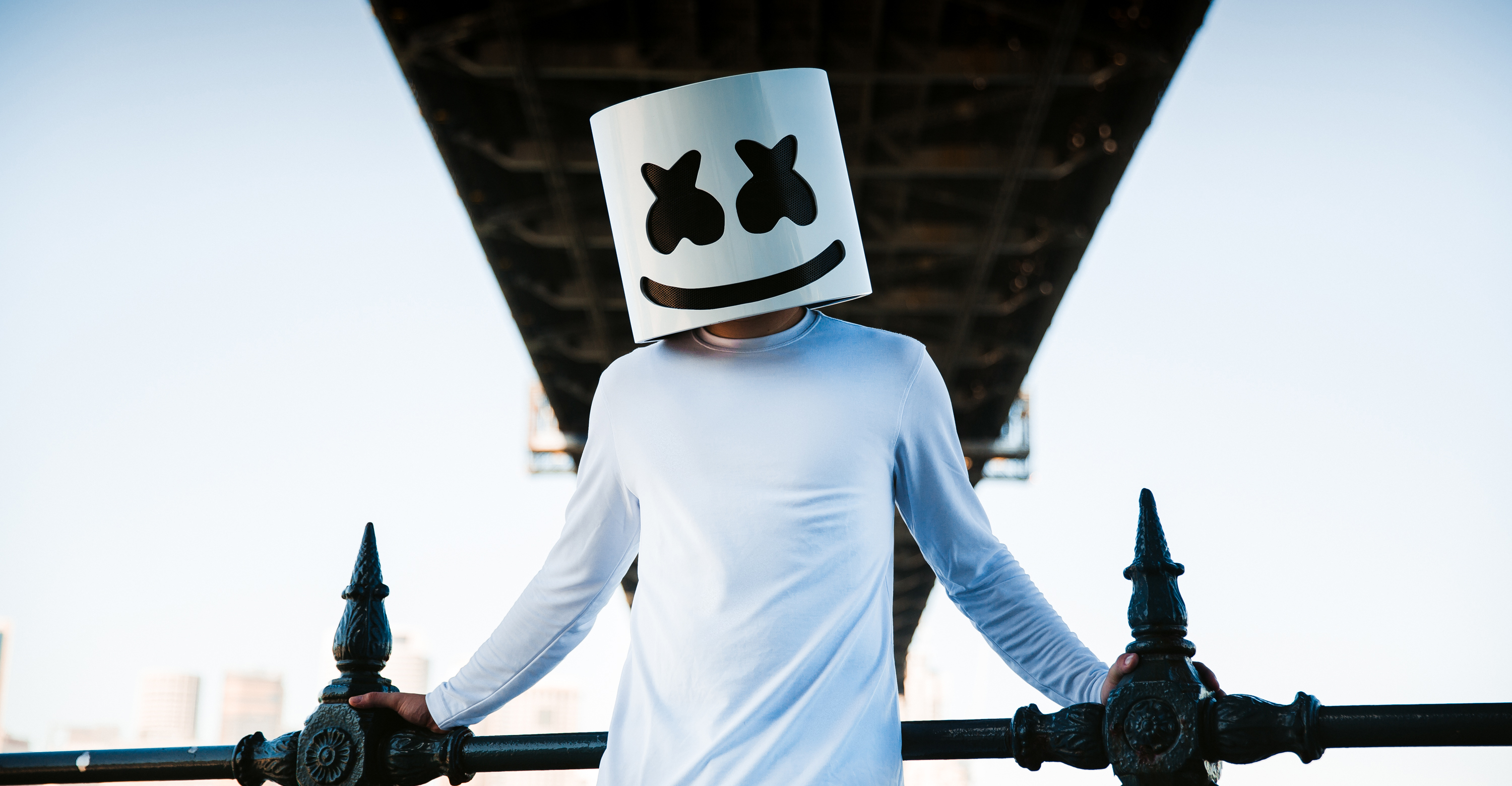
1. The European Invasion: The Birth of the EDM Era
By the late 2000s, Europe’s club scene had already become a test lab for digital sound. At its center was Dutch producer Tiesto, who mixed trance with electronic textures in the early 2000s and built the foundation for what would later be called EDM. His live mixing and performance-driven approach defined a whole generation.
This base was expanded by Swedish House Mafia, David Guetta, and Calvin Harris, who simplified house music into a pop-friendly form that reached global audiences. Soon after, Zedd, DJ Snake, Diplo, and Major Lazer brought that sound to America, igniting a cultural explosion.
David Guetta’s Titanium featuring Sia became the anthem of the early EDM wave. Its cinematic build-up and Sia’s powerful, expressive voice pushed it to No. 7 on the Billboard Hot 100, proving EDM could be both artistic and commercial.

At the same time, Skrillex introduced aggressive dubstep that appealed to American listeners missing the raw power of rock and metal. His arrival turned EDM from underground club music into a U.S. mainstream phenomenon. By 2012, he had already won three Grammys including Best New Artist. Between 2011 and 2017, about 20 percent of all Billboard Hot 100 hits were EDM-based, the highest ever.
EDM conquered clubs, radio, festivals, and commercials, becoming the new language of global pop culture.
2. The Pop Conquest: When EDM Ruled the Mainstream
EDM reached its peak when it merged with pop. After dubstep and progressive house rose, the U.S. market which liked clear melodies and strong rhythm embraced subgenres like future bass, moombahton, and tropical house.
Future bass’s side-chain beats, hip-hop-style kicks, and the tropical and vocal samples of moombahton instantly caught mainstream ears.
Tracks such as Titanium, Where Are U Now, Let Me Love You, Closer, Stay, and Lean On showed how EDM’s structure could carry pop melodies to global success.
The formula was simple but powerful.
A strong drop
Clean bright mixing
Romantic and futuristic & exotic melody lines

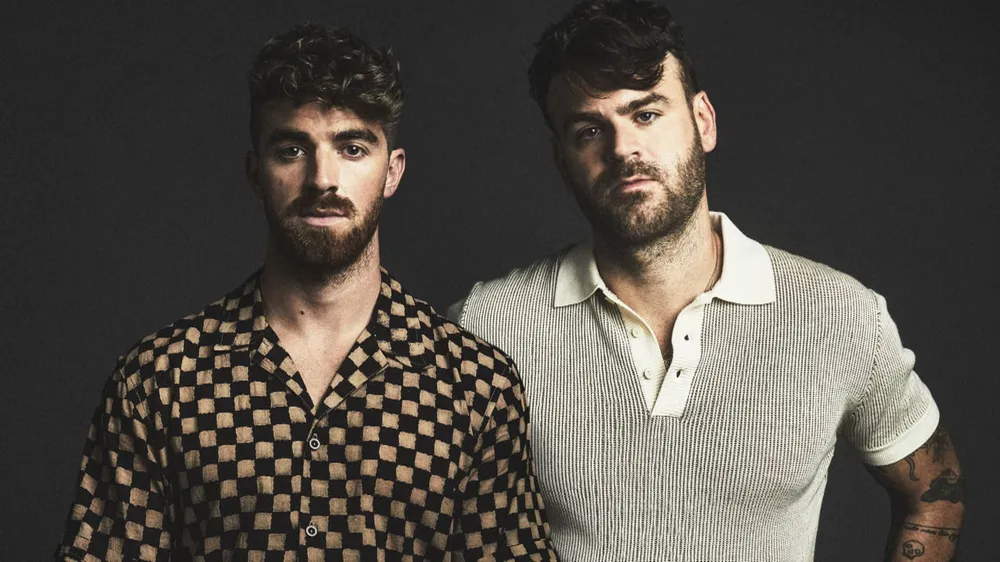
These ingredients captured the feeling of the 2010s perfectly. The Chainsmokers’ Closer became the soundtrack of digital youth, reaching No. 1 for 12 weeks and surpassing 2 billion streams. EDM had evolved from dance-floor music into the emotional backdrop of an entire generation.
3. The Rise of Melodic EDM: Illenium and Flume
By the mid-2010s, artists like Illenium and Flume began focusing on melody, atmosphere, and story instead of pure energy. This shift turned EDM into something closer to an expressive, cinematic sound rather than just a loud experience.

Flume’s Never Be Like You broke the rules of traditional EDM. Instead of a heavy drop, it used tension and soft transitions to build depth. It proved EDM could be subtle and thoughtful, not just explosive.
Following his lead, Illenium and others made melodic dubstep and future bass tracks that peaked around 2014 to 2018. But soon even melodic EDM started to repeat itself. By 2019, the genre had become predictable and too polished, safe but no longer inspiring.
4. Saturation and Repetition: When Sound Became a Formula
After 2017, EDM began repeating itself. The same drops, the same progressions, everything started to sound familiar. With producers sharing Splice presets and Serum sound packs, every song started to use the same textures. Companies like Cymatics even sold full project files so anyone could make an EDM track in hours.
Artists started chasing quantity over creativity. Songs mattered more than the people behind them.
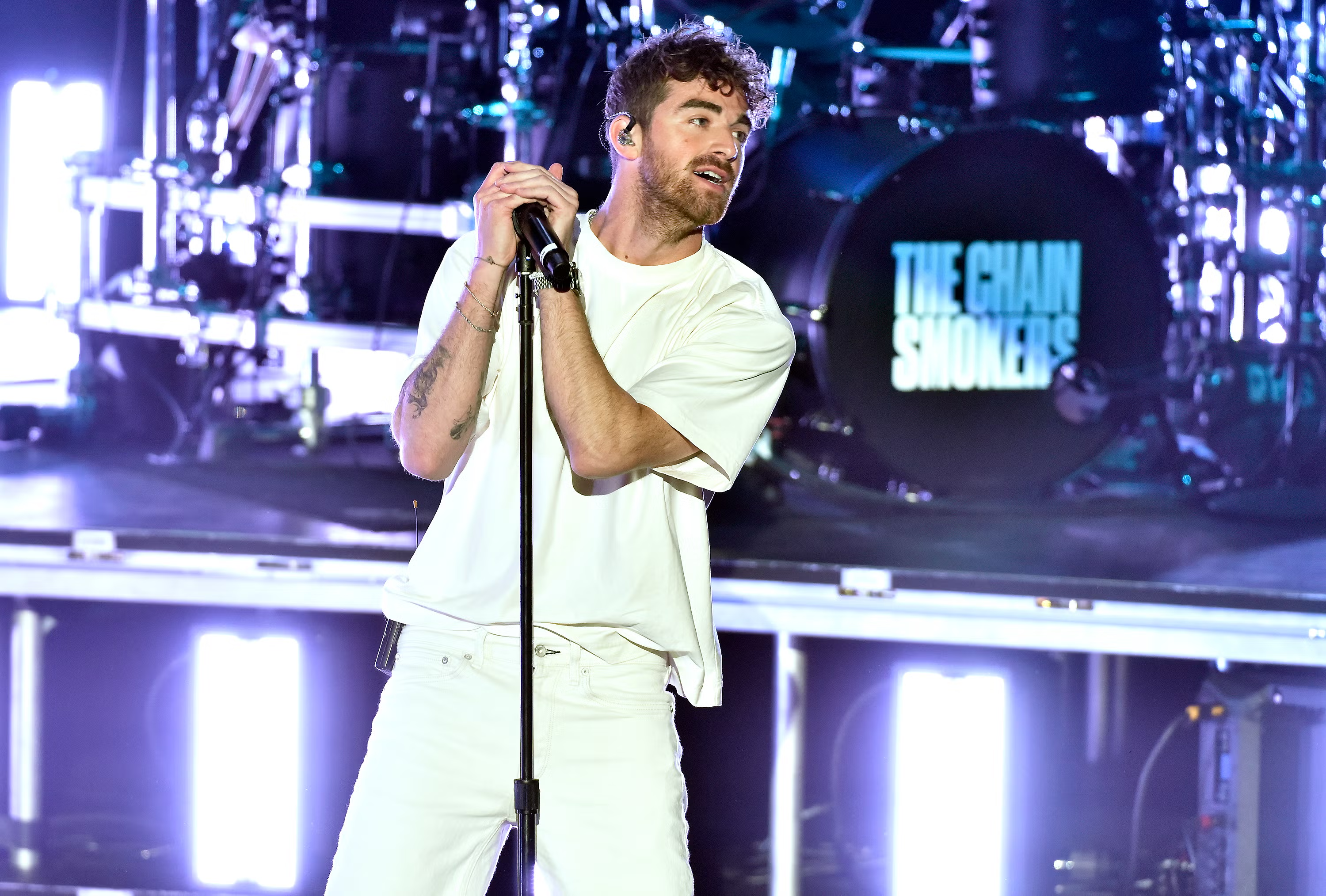
The Chainsmokers’ Andrew Taggart was one of the few who broke that pattern, singing live while DJing and trying to make the performer visible again. But most of the industry stayed behind the booth, hidden under layers of production. Technically, EDM became one of the most advanced genres in terms of mixing and sound design. But perfect production couldn’t replace human presence. This imbalance, music first and artist second, became the genre’s biggest weakness.K

SKIO Music tried to bring life back through remix contests and open submissions, giving new producers global exposure. For a moment, it revived the spirit of collaboration that defined early EDM. But the market had already hardened into producers making music for other producers. That loop revealed EDM’s core weakness, a system where music itself became the star and the artist disappeared.
5. What Survived Was the Festival, What Faded Was Streaming
Today, EDM still dominates live entertainment. Ultra, EDC, and Tomorrowland continue to sell out every year, with unmatched stage design, lighting, and visuals.
Yet streaming tells a different story. Between 2016 and 2023, global EDM streaming volume fell almost 38 percent, while hip-hop and Latin music nearly doubled. Many producers now focus on tours and brand deals over releasing new songs. Even Calvin Harris, once unstoppable, has struggled to recapture his 2014 to 2017 momentum.
The strengths that once defined EDM, its energy and precision, have become weaknesses in a world driven by short attention spans and quick hits.
6. New Rules: Algorithms, Generation Shift, and Disconnection
Modern streaming platforms reward songs that grab attention within seconds. TikTok, Youtube Shorts and Reels made short loops more valuable than long buildups. EDM’s drop structure doesn’t fit that world.
Fans still exist, but they connect more to the shared experience than to individual artists. Rock and hip-hop listeners bond with attitude and story. EDM listeners bond with the lights, the crowd, and the moment.
The system grew bigger and more perfect, but the artists faded. EDM became a core genre kept alive by a shrinking community.
Its path now mirrors rock and metal in the 2000s, which also fell into repetition before new movements revived them. But unlike rock, EDM was built on technology, not tradition. When the generation changed, there was no cultural revival waiting. Rock endured as culture; EDM remained as style.
7. The Genre Isn’t Dead, The Center Has Moved
EDM never truly disappeared. It just returned to its roots. It no longer dominates the charts but remains the soundtrack for festivals, sports, and brand events.
That’s not decline but evolution. In a world of quick trends and short attention, EDM survives through shared experience, not personal feeling.
Once the sound of a digital generation, it now stands as the live language of modern culture. Connection over rebellion, experience over expression. That is how EDM, the sound of an era, chose to survive.

Leave a Reply