
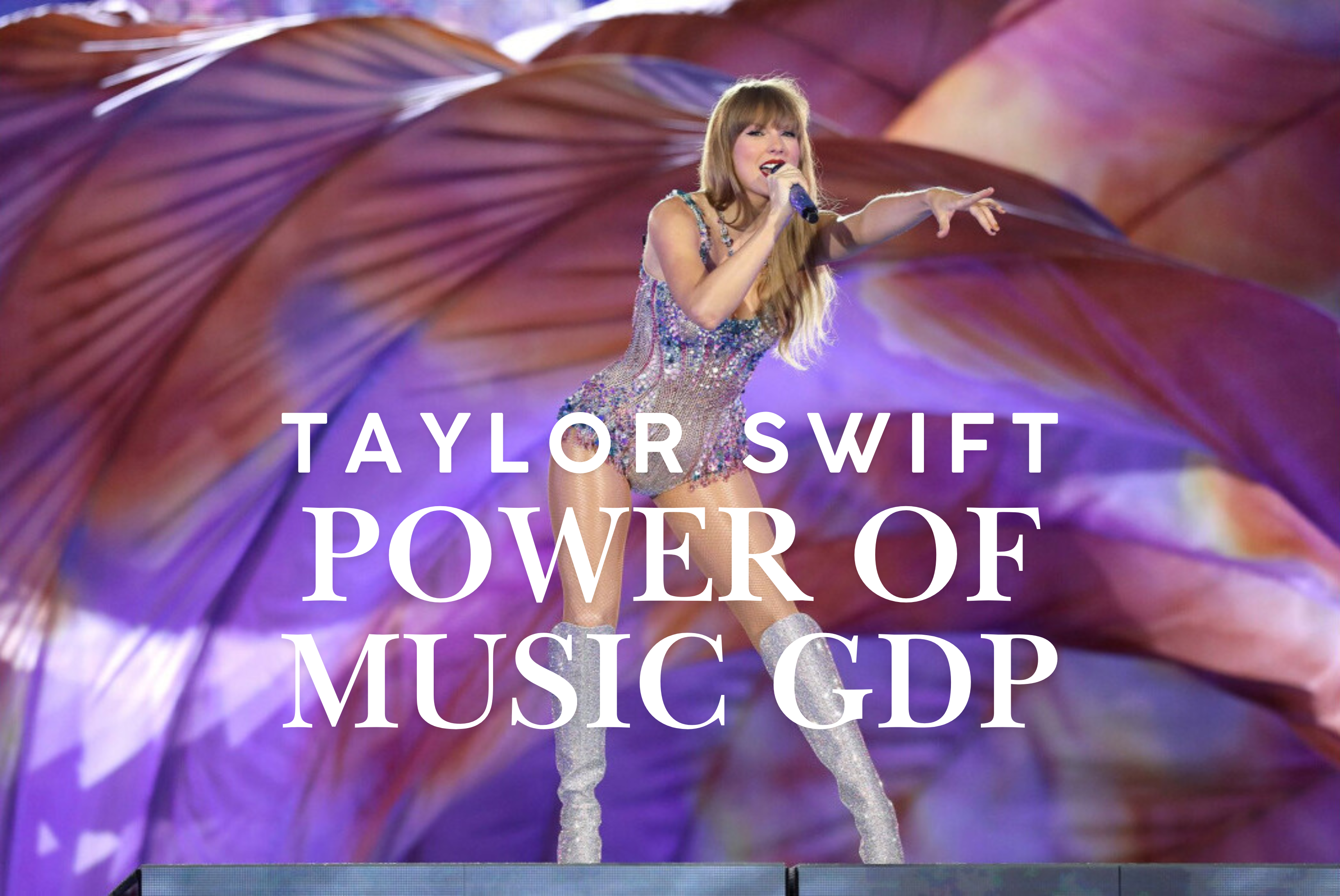

Taylor Swift’s newest album The Life of a Showgirl opened with unusually strong momentum. On release, it sold around 2.7 million pure copies in the United States in a single day, and ended its first week with about 4 million album-equivalent units. Around 3.48 million of those were direct sales rather than streaming conversions, and approximately 1.3 million were vinyl records. These numbers indicate that her releases continue to operate as large cultural events that activate wide participation across physical and digital spaces. The album does not enter the market quietly; it arrives at a scale that immediately reshapes attention, conversation, and consumption patterns.
1. From Singer to Cultural Center
Taylor Swift is a musician, but her role expands past releasing songs. Her albums, visual themes, public statements, and tour planning move with a shared direction. The choice of when to speak, when to stay quiet, and how to frame a narrative often comes from her own sense of timing.
This creates a situation where music and public presence reinforce each other. The audience learns to read her work as part of an ongoing story, which encourages continued attention rather than short-term interest.
2. How Fans Shifted the Value of Her Music
When Taylor began re-recording albums, listeners switched to those versions because they recognized them as the versions aligned with her. This shows that value in pop culture can change through collective preference rather than legal ownership alone.
Millions of small decisions—playlist edits, streaming choices, personal recommendations—reshaped which recordings carry cultural weight. Meaning moved through behavior, and behavior reshaped the market.
3. The Eras Tour and City-Level Atmosphere

The Eras Tour influenced the basic patterns of activity in the cities where it took place. The tour earned about $1.4 billion in ticket revenue, the largest total ever recorded for a concert tour. Researchers estimate over $4.5 billion in additional economic activity connected to hotels, restaurants, transportation, retail, and tourism during show periods.
Hotels reached capacity. Flights were rescheduled or added. Stores displayed clothing and accessories in the color themes of different Taylor “eras.” Restaurants extended hours, rideshare demand rose, and streets remained active long after the concert ended. People were participating in an experience that spread across public spaces.
The concerts created temporary cultural environments that changed how people moved through and interacted with the city. Clothing, conversation topics, and gathering places shifted around the tour’s presence. For the time the concerts were hosted, the city adjusted around them.
4. Music as a Personal Narrative Tool
Many listeners use Taylor’s music to describe their own experiences. The albums function as reference points for remembering or understanding life events—whether early love, disappointment, rebuilding confidence, or seeing oneself with more clarity.
People return to the music because the meaning changes with them. The songs provide language for memory, which keeps them active over long periods of time.
5. Meaning Built Through Participation
Fans take part in shaping how the music is understood. They exchange interpretations, look for patterns, and form shared practices such as bracelets, outfit themes, and symbolic references.
Meaning is built between people.
This shared construction keeps the fandom cohesive and long-lasting, because participation becomes an ongoing activity rather than a momentary reaction.
6. Communication That Maintains Continuity
Tree Paine’s communication work helps the narrative move steadily even when public attention shifts. When conflict appears, the response is timed and shaped rather than rushed.
The goal is to keep the story connected so changes and challenges can be absorbed without breaking the broader arc. Public attention is treated as something that can be guided over time.
7. What This Creates
Taylor Swift’s place in culture grows from how people use her work.
Music turns into conversation.
Conversation becomes shared habits.
Shared habits shape city spaces, online communities, and daily behavior.
Then the cycle returns to the music again.
The result is a cultural loop held together by participation, memory, and recognition.
Taylor Swift becomes a reference point people use to understand parts of themselves and each other.




Leave a Reply