

1. The Mass-Media Era of Music Exposure

In the early 2000s, music discovery depended on mass-media channels such as TV, radio, and magazines. Audiences were exposed to the same songs at the same time, creating a unified market where hybrid genres and cross-genre experimentation spread efficiently. Nu-metal, pop-R&B-hip-hop blends, and rock fused with funk or soul dominated mainstream charts because broad accessibility increased success rates. This environment rewarded wide-appeal genres and large-scale marketing campaigns designed for synchronized exposure.
2. The Proto-Algorithmic Phase of Digital Music Recommendation
Platforms such as Pandora and Last.fm introduced early music recommendation technology through tag-based and filtering systems. These services established foundational data practices for later streaming algorithms, although they did not disrupt the dominance of radio and TV. The proto-algorithmic phase marked the beginning of personalized listening behavior but had limited influence on global music marketing strategies.
3. Expansion of On-Demand Streaming and Initial Personalization
The rise of Spotify and Apple Music in the early 2010s shifted music consumption toward on-demand streaming. Users began searching, saving, and playlisting tracks, generating behavioral data that supported early personalization models using collaborative filtering and audio analysis. Although these systems improved recommendation accuracy, user-driven exploration still played a larger role than algorithmic discovery in shaping listening patterns.
4. Post-2015 Algorithmic Restructuring of Music Discovery
Spotify’s Discover Weekly, launched in 2015, transformed music discovery by placing algorithmic systems at the center of exposure. Streaming platforms started using skip rate, completion rate, saves, repeat listening, and session-level metrics to calculate individual taste clusters. Recommendations through Discover Weekly, Release Radar, personalized mixes, autoplay, and artist radio became the primary sources of new music exposure. Record labels and artists adopted data-driven strategies focused on optimizing first-48-hour performance, save rates, and skip reduction. This period established streaming platforms as the core infrastructure of the modern music industry.
5. DSP Algorithms and the Impact of Internal Performance Metrics
Digital Service Providers (DSPs) such as Spotify and Apple Music do not directly integrate external social media data from TikTok or YouTube. Instead, their recommendation engines prioritize internal metrics. External virality influences discovery only by accelerating DSP indicators such as search volume, playlist additions, saves, and early completion rates. When these metrics improve, algorithms expand exposure across Discover Weekly, Radio, and autoplay environments. When internal metrics remain weak, external popularity produces limited streaming growth. DSP performance has become the primary determinant of long-term music visibility and listener retention.
6. Algorithm-Driven Changes in Song Structure and Sound Design
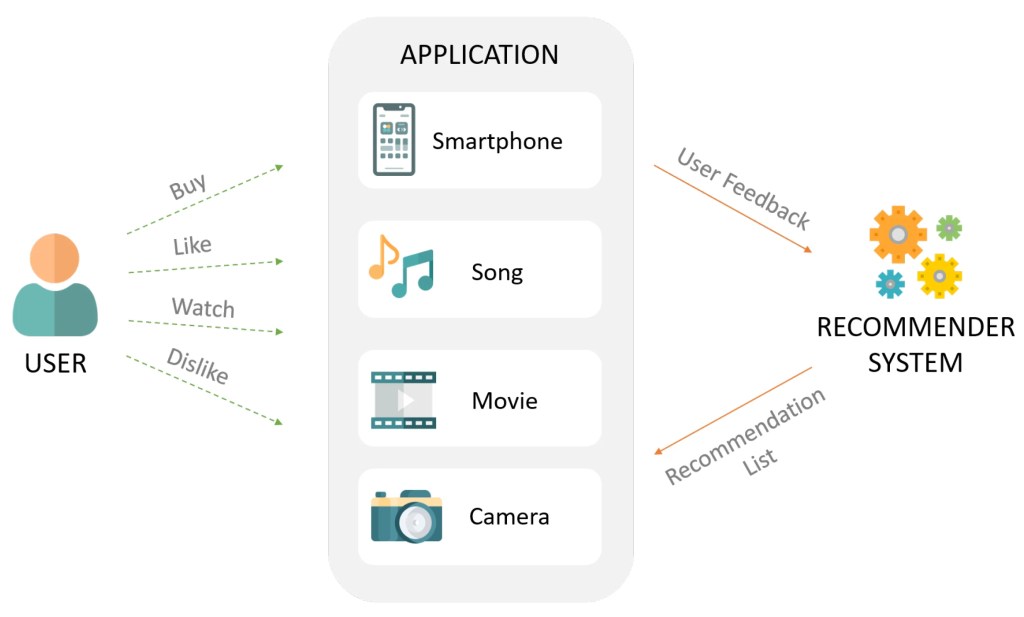
Algorithmic optimization has reshaped how songs are written and produced. Intros have become shorter, and main vocals or hooks are placed within the first 3–7 seconds to minimize listener drop-off. Irregular transitions, long bridges, and structural risks are often removed to improve retention. Track length has decreased, and looping-friendly arrangements are prioritized to increase repeat listening. Texture, tempo, and energy flow are engineered for playlist compatibility and algorithmic stability, resulting in more predictable sonic patterns across mainstream music.
7. The Influence of TikTok, YouTube Shorts, and Short-Form Algorithms
Since 2018, short-form platforms such as TikTok and YouTube Shorts have become dominant gateways for music discovery. Listeners encounter songs algorithmically without searching, and TikTok’s Add to Music App feature directs them instantly to DSPs. Short-form engines drive rapid viral exposure, while streaming algorithms reinforce long-term listening through internal metric performance. This dual system governs the spread of new releases and catalog tracks, shaping modern discovery flows across global markets.
8. The Rise of Niche Segmentation in Algorithmic Music Markets
Modern recommendation systems organize music consumption around micro-level taste clusters rather than broad audiences. This structure rewards niche clarity more than hybridization. Genres such as hyperpop, phonk, k-R&B, lofi, indie electronic, and melodic trap scale efficiently because algorithms classify them accurately and match them to aligned listeners. Niche-focused artists often achieve faster and more efficient growth because algorithmic targeting produces dense and consistent exposure. Genre identity influences creative direction, playlist routing, fanbase formation, and revenue outcomes in the streaming era.
9. Decline of Musical Innovation Under Algorithmic Optimization

In the mass-media era, genre fusion and sonic experimentation acted as engines of market expansion. Linkin Park blended nu-metal with hip-hop, electronic, and ambient textures, reshaping mainstream rock. OutKast layered hip-hop with funk, soul, psychedelic elements, and electronic structures. Daft Punk’s Discovery merged house, disco, rock, and sample-driven composition into a hybrid framework that influenced an entire generation. Gorillaz combined animation, rock, hip-hop, and electronic music into a multi-layer conceptual blueprint. These experiments reached mainstream audiences because mass-media distribution did not penalize structural risk-taking.
Under algorithmic governance, quantitative performance metrics influence structural choices. Low completion rates suppress recommendations, and high skip rates reduce visibility inside algorithmic clusters. This has pushed emerging artists in pop-rap, melodic trap, lofi, and bedroom pop toward highly standardized song structures. Vocals or hooks appear immediately, intros remain short, energy stays consistent, and transitions avoid uncertainty. Billie Eilish uses minimal textures but retains simple, retention-optimized structures. The Kid LAROI builds linear melodic-trap frameworks designed for completion. Olivia Rodrigo blends rock and pop influences but maintains predictable transitions that align with algorithmic expectations.
Compared with the early 2000s, modern music favors genre optimization over innovation. Song texture, progression, duration, and hook placement are shaped by platform-performance data. Experimental genres operate within smaller niche ecosystems rather than reaching mainstream listeners. Innovation exists but is constrained by retention metrics rather than creative boundaries, reducing the likelihood that experimental genres will shift the broader market.
10. Conclusion: How Streaming Algorithms Define the Modern Music Market
The mass-media era rewarded cross-genre expansion, while the streaming-algorithm era rewards niche precision. DSP and short-form algorithms have fragmented listening into tightly defined taste clusters. Genre identity now shapes creative development, strategic positioning, and fan ecosystem design. Algorithmic optimization limits large-scale experimentation and reinforces a system where genre refinement consistently outperforms broad innovation. Data-driven recommendation systems define the architecture of today’s music industry.
Related Articles:
The Impact of Streaming Algorithms on Music Marketing
K-Pop’s Struggles in the Sea of AI-Driven Streaming Services
When Music Is Judged by Data, Not by Quality: Inside the AI Filtering Era of Streaming Platforms
How a Streaming Platform’s Algorithm Judges and Exposes Music




Leave a Reply