
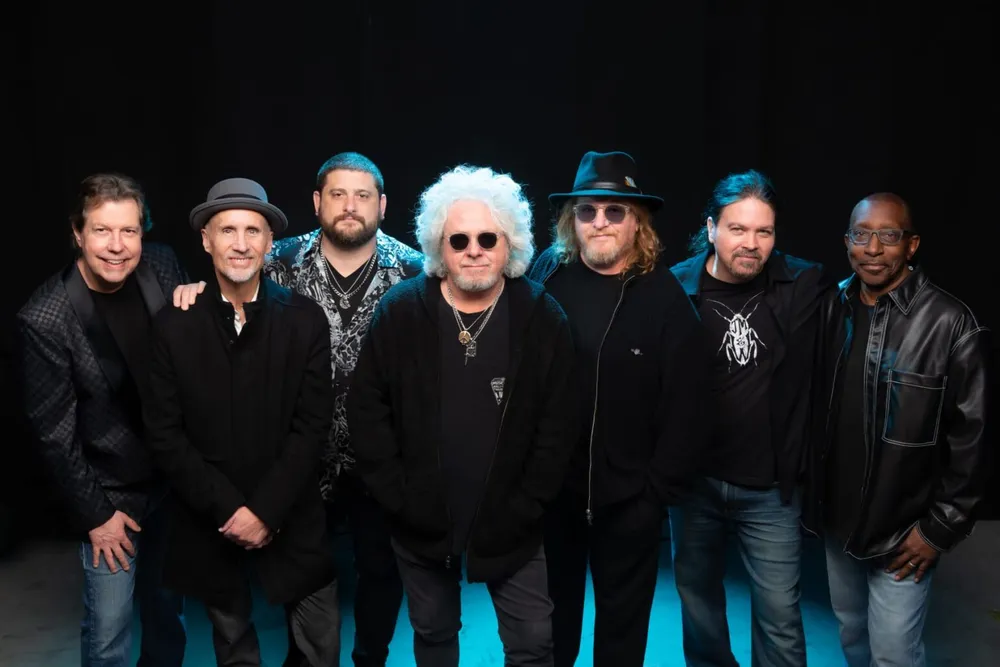
TOTO’s influence on modern music production is widely recognized because their approach to rhythm construction, tonal structure, instrumental integration, bass motion, guitar placement and structured studio workflow helped define what later became core elements of professional music production. Their methods established a reliable framework for producers, engineers and arrangers, especially within pop, R&B and CCM. TOTO became foundational during a period when Los Angeles studios were reaching technical maturity and session musicians were operating at their peak, allowing the group to formalize a repeatable production system that later generations could adopt directly. This systematized approach is one of the primary reasons TOTO’s production influence remains relevant in contemporary studio environments, making TOTO production techniques a key reference point for modern creators searching for consistency and clarity in arrangement and mix structure.
Related Article: Trent Reznor’s Influence on Modern Music Production
Jeff Porcaro and the Architecture of Precision Timing and Groove Design

Jeff Porcaro’s timing has become one of the most studied components in modern drumming, particularly by musicians analyzing the Jeff Porcaro shuffle and Rosanna shuffle. His work on Hold The Line demonstrated his ability to stabilize a groove through nuanced control of hi-hat accents, snare depth and kick placement, creating a rhythmic foundation that remains a benchmark in the study of precision timing. Porcaro reshaped the traditional blues shuffle by filling the middle triplet subdivision with left-hand ghost notes, creating continuous motion that producers still attempt to emulate when programming shuffles in modern DAWs. His timing logic became an essential reference for naturalistic groove programming in pop, R&B and CCM.
The Rosanna Shuffle as a Modern Benchmark
The Rosanna shuffle is frequently cited in music analysis, drum pedagogy and production breakdowns because it combines influences from Bernard Purdie and John Bonham with Porcaro’s own timing reshaping. The interaction of hi-hat dynamics, ghost-note placement and flexible kick motion formed a groove that cannot be reduced to simple triplet math. This shuffle became one of the most frequently searched and studied drumming patterns globally and remains essential reading for drummers and producers aiming to understand human timing beyond quantized grids.
How Porcaro’s Shuffle Informed Modern Pop and MIDI-Based Production
Porcaro’s rhythmic logic became a blueprint for MIDI shuffle programming. Producers working inside DAWs often reference his dynamic phrasing, ghost-note continuity and non-rigid kick placement to create naturalistic timing in programmed music. These concepts appear in pop, R&B, CCM and film scoring whenever a realistic shuffle is needed, making Jeff Porcaro’s timing one of the most influential rhythmic frameworks in modern production.
Steve Lukather and the Modern Standard for Pop Guitar Placement

Steve Lukather’s guitar placement is a core reference in modern pop production, guitar arrangement and eighties studio analysis. His work is frequently searched by producers studying TOTO production style, pop guitar integration and session-era tone discipline. His adaptability becomes clear when examining each track individually, which is why “Steve Lukather guitar tone” and “Rosanna guitar analysis” remain high-traffic topics in music education.
Hold The Line – foundational pop-rock guitar tone and arrangement
In Hold The Line he builds around the piano-driven hook, using a saturated mid-gain tone that many producers reference when searching for classic TOTO guitar sound. He doubles the main motif and reinforces the backbeat with tight chord stabs that define early AOR guitar placement. His solo uses wide bends, intervallic shapes and controlled sustain to lift the section without masking the vocal. Search terms like Hold The Line guitar tone and AOR guitar arrangement often point back to Lukather’s approach in this track.
Rosanna – the benchmark for shuffle-based rhythm guitar
Rosanna remains one of the most studied examples of rhythmic guitar integration in popular music, and Rosanna guitar analysis is a consistently searched keyword because of the track’s hybrid shuffle structure. Lukather’s rhythm part fits into Jeff Porcaro’s grid using partial voicings, muted strokes and syncopated accents that align precisely between the drum ghost notes and keyboard voicings. His solo, built around F major and pentatonic variants, shows strict pocket discipline so every line returns to the groove. This track is a cornerstone in discussions about rhythmic pocket, pop guitar placement and TOTO groove architecture.
Human Nature – clean pop guitar orchestration with melodic transparency
Human Nature is a recurring reference for producers studying clean pop guitar tone, chorus-treated textures and upper-midrange melodic placement. Lukather uses broken chords and lyrical fills that weave between vocal phrases while avoiding any conflict with the synth pad layer. Searches for Human Nature guitar session and Michael Jackson guitar arrangement often lead back to this example because it demonstrates how a guitar can function as a secondary melodic line without intruding on the harmonic bed.
Beat It – session guitar discipline inside a dense pop mix
Beat It is frequently cited in “80s production techniques” and “pop guitar riff analysis” because Lukather tracks the core rhythm guitars with deliberate tonal control. He performs the tightly muted funk-rock riff, clipped power-chords and pre-solo build that frames the lead feature. Unlike hard-rock tones of the era, his sound here is intentionally narrower and mix-friendly with focused mids and tight articulation. Beat It session guitar is a high-search topic because Lukather’s part shows how to deliver drive and clarity inside a pop arrangement.
Across these tracks Lukather’s phrasing, articulation, vibrato control and tonal precision form a widely referenced framework for modern pop guitar production. His work appears in analysis of TOTO arrangement techniques, pop guitar integration, CCM guitar tone, LA session workflow and eighties studio sound. This is why Steve Lukather guitar placement remains an evergreen SEO keyword and a foundational concept for producers seeking clarity, presence and discipline in contemporary guitar arrangement.
The Session-Based Workflow TOTO Helped Standardize
TOTO’s session-driven workflow is widely referenced in discussions of session production history and eighties studio sound. Their practice of refining each part individually before integration shaped what later became LA’s dominant production culture. Modern producers working in segmented workflows—editing timing, preventing spectral collisions and controlling dynamics—often rely on studio principles that originated from TOTO’s methodology.

This approach reached its peak on TOTO IV, where the group demonstrated the most advanced form of their production aesthetic through tightly controlled timing, disciplined tone shaping and meticulously refined performance layers. Despite being created entirely on tape rather than a digital system like Pro Tools, the album achieved a level of precision and structural clarity comparable to modern editing standards. The combination of tape-based limitations with such a highly organized workflow is one of the core reasons TOTO IV is still analyzed by producers and engineers studying the foundations of contemporary pop, R&B and CCM production techniques.
Harmonic Language and Structural Tools Still Common in Modern Arranging
TOTO’s use of sus2, sus4, add9 and 11th voicings became part of the harmonic vocabulary of modern pop ballads and CCM arranging. Their chord transitions in Rosanna and Africa remain widely analyzed because they demonstrate seamless movement without traditional cadential formulas. The melodic bass writing, especially in Rosanna, continues to influence producers seeking low-end motion that avoids rhythmic interference with snare ghost notes. These concepts appear frequently in arrangement courses and harmonic analysis articles focused on eighties production and melodic bass architecture.
Rhythmic and Spatial Construction in Rosanna and Africa
Rosanna’s shuffle structure remains a high-traffic topic in music education because its internal detail—hi-hat variation, ghost-note timing, adaptive kick phrasing—defines it as a complex hybrid groove rather than a simple shuffle pattern.
Africa is equally important for spatial design analysis, as it demonstrates the signature eighties studio sound: low percussion beneath the kick, high percussion positioned away from the vocal range, reverb-expanded synth pads and instrument placement engineered to avoid masking. These attributes make Africa one of the most referenced tracks in tutorials and professional breakdowns focused on recreating authentic eighties spatial aesthetics.
Interlocking Instrument Roles and TOTO’s Segmented Production Logic
TOTO’s arrangements demonstrate how drums, bass and guitar can function as a single integrated motion rather than isolated layers. Producers frequently reference TOTO when studying interlocking instrumental roles, bass saturation for low-end texture, rhythmic comping for structural support and targeted frequency placement to avoid masking. Many studio practices—micro-editing, part-specific refinement, dynamic shaping—trace back to TOTO’s session ethos, making their workflow a continually searched and referenced topic in modern music production analysis.
Why TOTO Remains a Core Reference for Modern Producers
TOTO’s work is consistently referenced across music production education and professional analysis. Drummers study the Rosanna shuffle, guitarists examine Lukather’s articulation, producers analyze Africa’s spatial design, composers rely on TOTO’s harmonic vocabulary and engineers revisit their mixes to understand eighties workflow. These frequent searches reflect why TOTO production influence remains a strong evergreen keyword: their methods form the underlying structure of many foundational practices in modern studio work.




Leave a Reply